6 Best Lead Scoring Automation Tool for Ecommerce and DTC Brands
Your sales team is chasing leads that will never buy. Meanwhile, high-intent shoppers sit buried in your CRM because your scoring rules cannot tell a browser from a repeat buyer. That gap costs real revenue every week.
This article breaks down six lead scoring automation tools built for ecommerce and DTC brands, starting with what actually matters: scoring accuracy, integrations, and channel fit. You will get a clear evaluation framework, a look at Tasks.Bot and five alternatives, and enough detail to pick the right tool for your store size and sales workflow.
What to Look For in Lead Scoring Automation Tools for Ecommerce and DTC Brands
Selecting the right lead scoring automation tool for your ecommerce or DTC brand requires evaluating how well it captures and acts on the signals that matter most to your business.
Unlike B2B software companies that lean on firmographic data, direct-to-consumer brands live and die by behavioral signals. A visitor who views three product pages, abandons a cart, then opens a follow-up email is a very different prospect than someone who bounced after five seconds.
Lead scoring helps you separate those two people automatically, so your team spends time on buyers who are actually close to purchasing. Without it, high-intent leads get buried under low-value noise.
This guide breaks down the three criteria that matter most when comparing tools: scoring accuracy, integrations, and channel fit.
Key Evaluation Criteria: Scoring Accuracy, Integrations, and Channel Fit
When assessing lead scoring automation tools, focus on three pillars: scoring accuracy, seamless integrations, and alignment with your primary sales and marketing channels.
Scoring accuracy determines whether the tool actually predicts who will buy. The best way to test this is to run historical data through the platform and compare its scores against real outcomes. Look at whether high-scoring leads converted at a higher rate than low-scoring ones, and whether those customers delivered stronger lifetime value over time.
A tool that flags everyone as "hot" is useless. Predictive lead scoring should sharpen over time as it learns from your conversion data, not just apply static rules.
Integrations decide how much manual work your team avoids. Must-have connections include your CRM, email platform, and ecommerce backend. Common examples are HubSpot, Klaviyo, Salesforce, ActiveCampaign, Marketo, Pardot, Mailchimp, Omnisend, and Drip.
Real-time data sync matters more than a long integration list. If a cart abandonment signal takes hours to reach your scoring engine, the lead has already gone cold.
- Email engagement: open rate, click-through rate, and reply behavior
- Website activity: page views, session duration, and return visits
- Purchase signals: cart abandonment, checkout starts, and past orders
Channel fit ties it together. A DTC brand selling through email and SMS needs different scoring weights than one relying on paid social. Tools that handle behavioral scoring across multiple channels qualify leads faster and keep your sales funnel efficient from first touch to repeat purchase.
1. Tasks.Bot - Best Overall
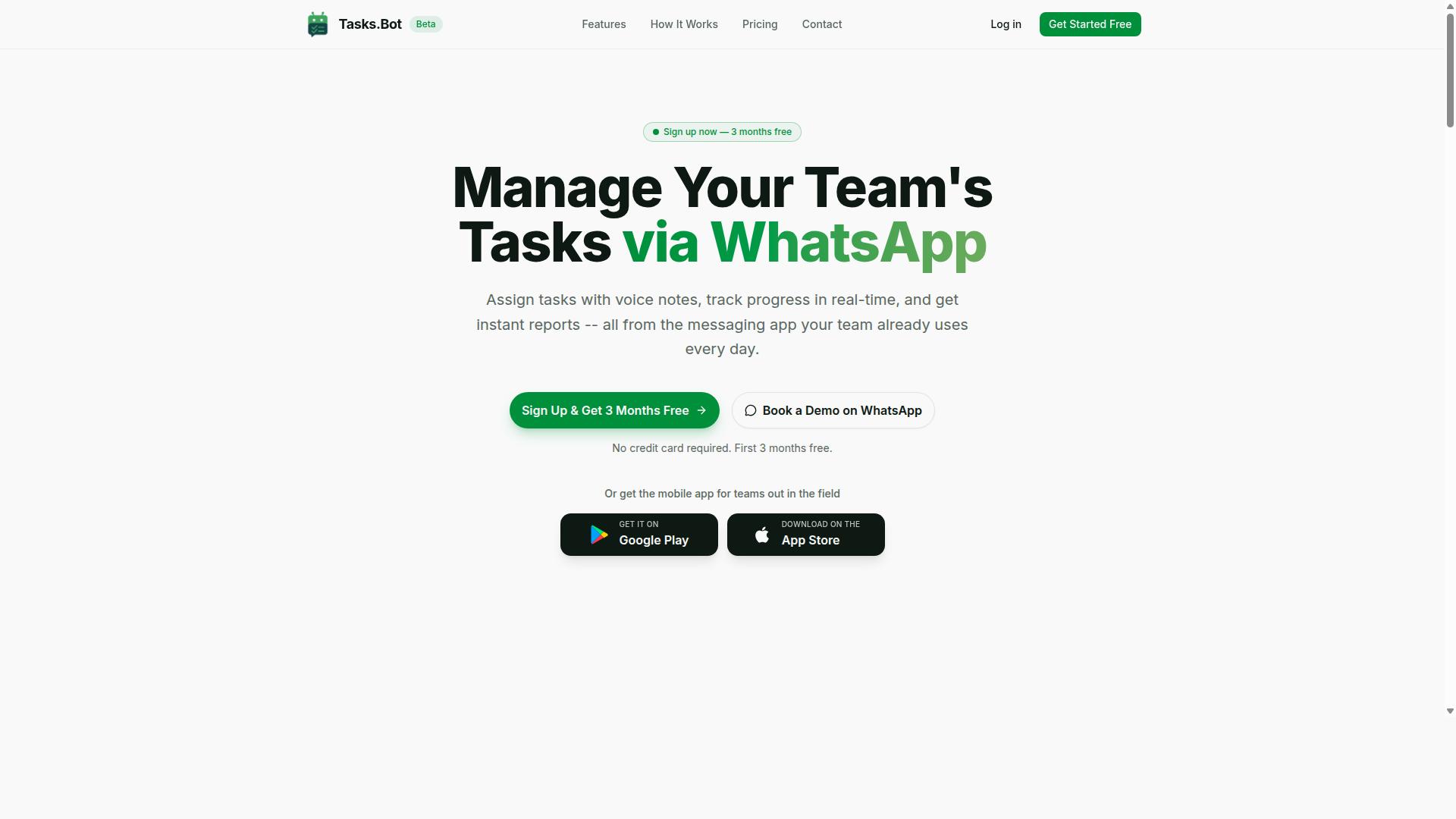
Tasks.Bot stands out as the best overall lead scoring automation tool for ecommerce and DTC brands by leveraging WhatsApp to streamline task management and lead engagement. Instead of asking teams to learn a separate dashboard, it turns the messaging app they already use into the place where lead follow-up actually happens.
For ecommerce and DTC brands, speed matters. A shopper who abandons a cart or browses a product page twice is most valuable in the first few minutes. Tasks.Bot helps teams act on that window by assigning tasks, tracking progress, and delivering reports inside WhatsApp, so no one has to log into another system to see what needs attention.
The platform supports voice note task creation, automatic task assignment, smart deadline reminders, approvals and automations, instant reports, tasks on a map, a live day tracker, and face-verified attendance. It also covers shifts, leave, and hours management, with Android and iOS apps that add push notifications, voice capture, and a home screen widget.
Tasks.Bot uses AI to understand user intent and create tasks from messages. For a DTC team juggling high-intent leads, cart abandonment follow-ups, and repeat purchase outreach, that means less time on admin and more time on lead qualification and conversion.
Pricing, Free Trial, and Who It Suits Best
Tasks.Bot offers a straightforward pricing model with a Full Access plan that includes all features, available in both Indian Rupees and US Dollars. There is no tiered maze to decode, just one plan with everything switched on.
Pricing is simple to plan around:
- Monthly: ₹200 per member per month
- Annual: ₹1,200 per year per member, a saving of 50% and ₹1,200 per year per member
- Free start: 3 months free, no credit card required, cancel anytime
The site lets you select your currency, with Indian Rupee and US Dollar options, so international teams should confirm the right setting before signing up. The service is currently in beta, and a refund policy exists for added peace of mind.
Tasks.Bot suits teams that already run their communication through WhatsApp, particularly those with field staff who need task management, attendance tracking, and payroll-ready hours in one place. Ecommerce and DTC brands with lean sales teams get the most from it because lead follow-up and internal coordination live in the same thread.
If you want to see how it fits your workflow, the Book a Demo on WhatsApp option offers a hands-on way to evaluate it before committing.
2. Reminderly.ai
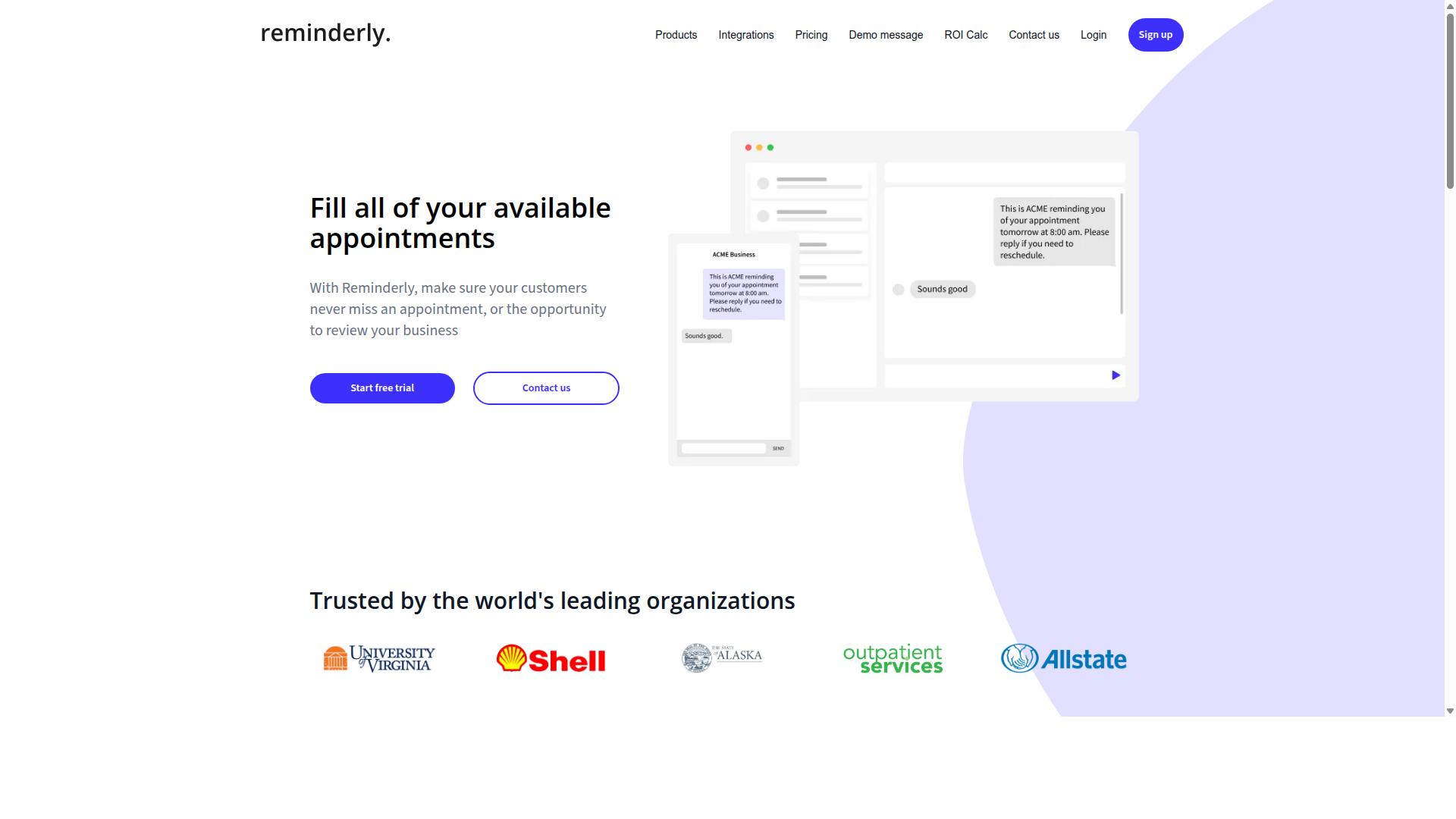
Reminderly.ai is a lead scoring automation tool that focuses on timely follow-ups and engagement tracking for ecommerce and DTC brands. Rather than positioning itself purely as a scoring engine, it leans toward the reminder and re-engagement side of the funnel, where timing often matters as much as the score itself.
For many direct-to-consumer teams, a high-intent lead that goes cold is a missed sale. A tool in this category typically helps close that gap by triggering automated reminders when a contact shows meaningful activity, then nudging them before interest fades. The idea is to keep momentum alive across the sales funnel without manual outreach.
Reminderly.ai appears best suited to brands that already collect behavioral signals and want a lightweight way to act on them. It is less about deep predictive lead scoring and more about consistent, well-timed engagement that supports whatever scoring model a team already runs.
Typical use cases for a reminder-driven tool include:
- Following up after a cart abandonment event
- Re-engaging leads who opened emails but never clicked through
- Reminding shoppers who viewed a product page multiple times
- Nudging contacts whose session duration or website visits suggest purchase intent
- Reconnecting with subscribers after a gap in email engagement
Fitting Reminderly.ai into a lead scoring strategy usually means pairing it with a separate scoring layer. Behavioral scoring, demographic scoring, or firmographic scoring can rank leads, while reminder automation handles the follow-through. That division of labor keeps lead qualification tidy and prevents hot prospects from slipping away.
Because reminder tools vary widely in how they handle triggers, segmentation, and CRM integration, capabilities can shift between plans and updates. Some platforms in this space connect with systems like HubSpot, Klaviyo, or Salesforce, but the exact integrations a given tool supports should always be confirmed directly.
If you are evaluating Reminderly.ai, treat it as a possible complement to your existing lead nurturing stack rather than a full replacement. Check the vendor's site for current features, supported channels, and pricing before committing. Research suggests that the fit between a reminder tool and your customer data platform matters more than the length of its feature list.
3. TaskRio
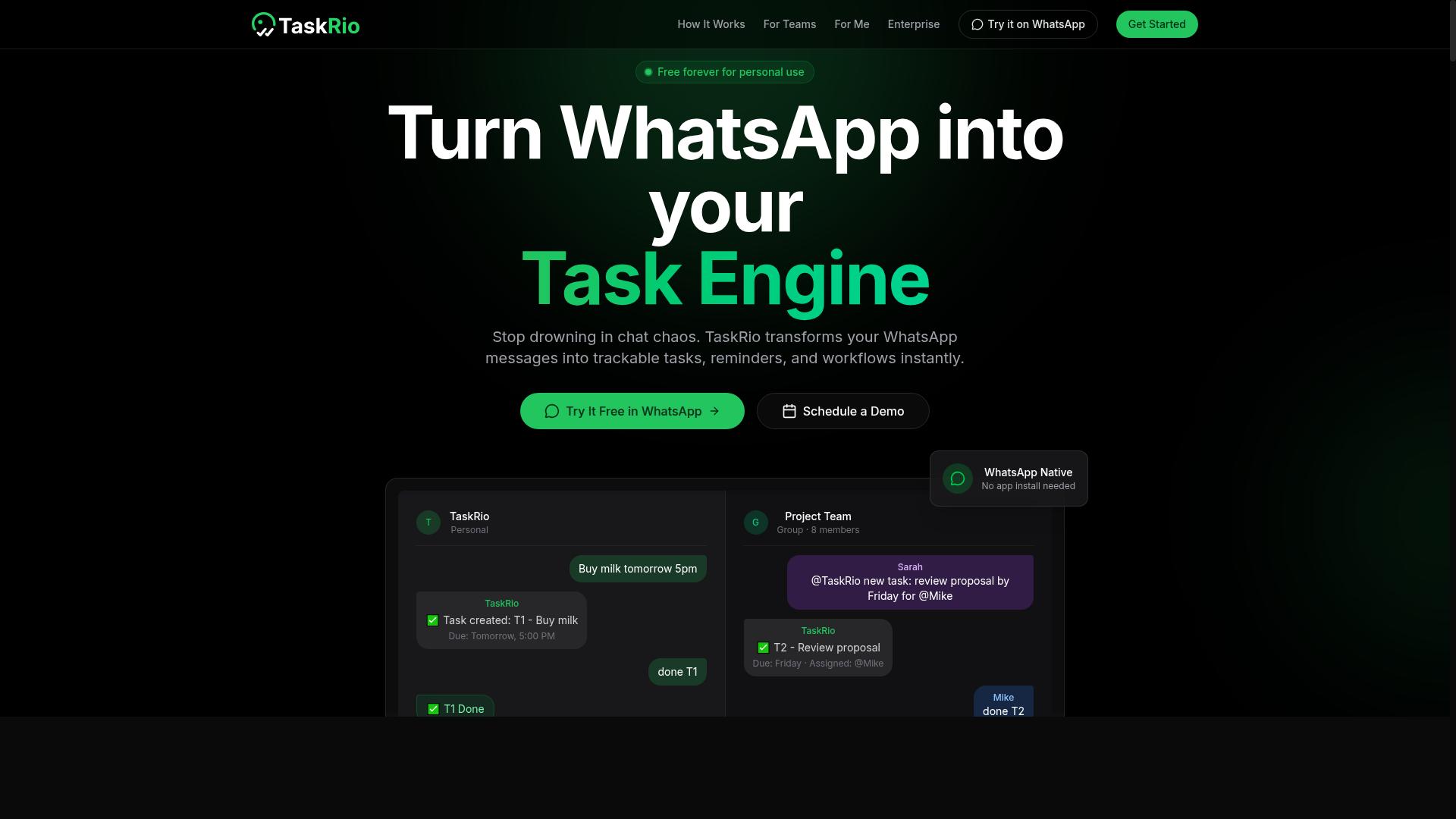
TaskRio is another contender in the lead scoring automation space, offering tools to help ecommerce and DTC brands prioritize leads based on engagement. Its general approach centers on collecting signals from the channels where shoppers interact most, then turning those signals into a ranked view of who deserves attention first.
For online sellers, that usually means blending behavioral scoring with demographic scoring so a repeat visitor who abandons a cart is not treated the same as a first-time browser. The goal is a cleaner sales funnel where representatives spend time on prospects with real purchase intent.
TaskRio typically fits brands that already run a marketing automation stack and want scoring layered on top rather than a full platform replacement. Many tools in this category connect with common ecommerce systems, and TaskRio may support similar integrations, though the exact list can change over time.
When evaluating TaskRio, consider how it handles the signals your team already tracks:
- Engagement scoring built from email engagement, open rate, and click-through rate
- Website visits, page views, and session duration mapped to intent levels
- Cart abandonment and checkout activity tied to lead qualification rules
- CRM integration with platforms such as HubSpot, Klaviyo, or Salesforce
- Segmentation and personalization options for lead nurturing campaigns
Strengths often cited for tools like TaskRio include a straightforward setup and a focus on the metrics ecommerce teams already monitor. That can make it easier to explain scoring decisions to sales and marketing staff who are not data specialists.
As with any automation tool, the practical value depends on data quality. If your customer data platform is fragmented across storefront, email, and support systems, scoring accuracy suffers regardless of the software chosen.
Pricing, plan limits, and integration details for TaskRio were not confirmed in the sources reviewed for this article. Readers should check the latest information directly from the provider before making a decision, since terms in this category change frequently.
4. Karo.bot
Karo.bot is designed to automate lead scoring and nurturing for ecommerce and DTC brands, with a focus on conversational engagement. Rather than relying only on form fills or static rules, it appears to approach lead qualification through chat and messaging channels, where shoppers often reveal intent in their own words.
That conversational angle is worth noting because it changes where scoring data comes from. A visitor who asks about sizing, shipping times, or restock dates is sending a different signal than one who simply views a product page. Karo.bot may capture those signals and fold them into a lead scoring model that reflects real purchase intent.
As with any tool in this category, the details matter more than the pitch. Because public information about Karo.bot is limited, treat the points below as areas to verify directly with the vendor before you commit.
For ecommerce and direct-to-consumer teams, conversational lead qualification can complement the behavioral and demographic scoring you already run. Chat transcripts, message replies, and question topics can all feed a predictive lead scoring model alongside website visits, page views, and session duration.
If Karo.bot connects to a CRM, that data could flow into HubSpot, Salesforce, Klaviyo, or a similar platform, where it would support segmentation, personalization, and lead nurturing. The practical value shows up when high-intent chats trigger timely follow-up instead of sitting in an inbox.
Before adding any conversational tool to your stack, confirm a few basics:
- Which scoring signals it captures, such as chat behavior, browsing behavior, or email engagement
- Whether it supports CRM integration and which platforms are covered
- How scores sync with your existing marketing automation workflows
- What reporting exists for conversion rate and customer lifetime value impact
- How it handles cart abandonment and post-purchase follow-up
These questions apply to Karo.bot and to every other option in this roundup. Vendors update features and pricing often, so check the current offering rather than relying on older comparisons.
Used well, conversational scoring can shorten the path from first message to qualified lead. Used carelessly, it adds another data silo. The difference usually comes down to how cleanly the tool connects to the rest of your sales funnel.
5. The Sarah AI
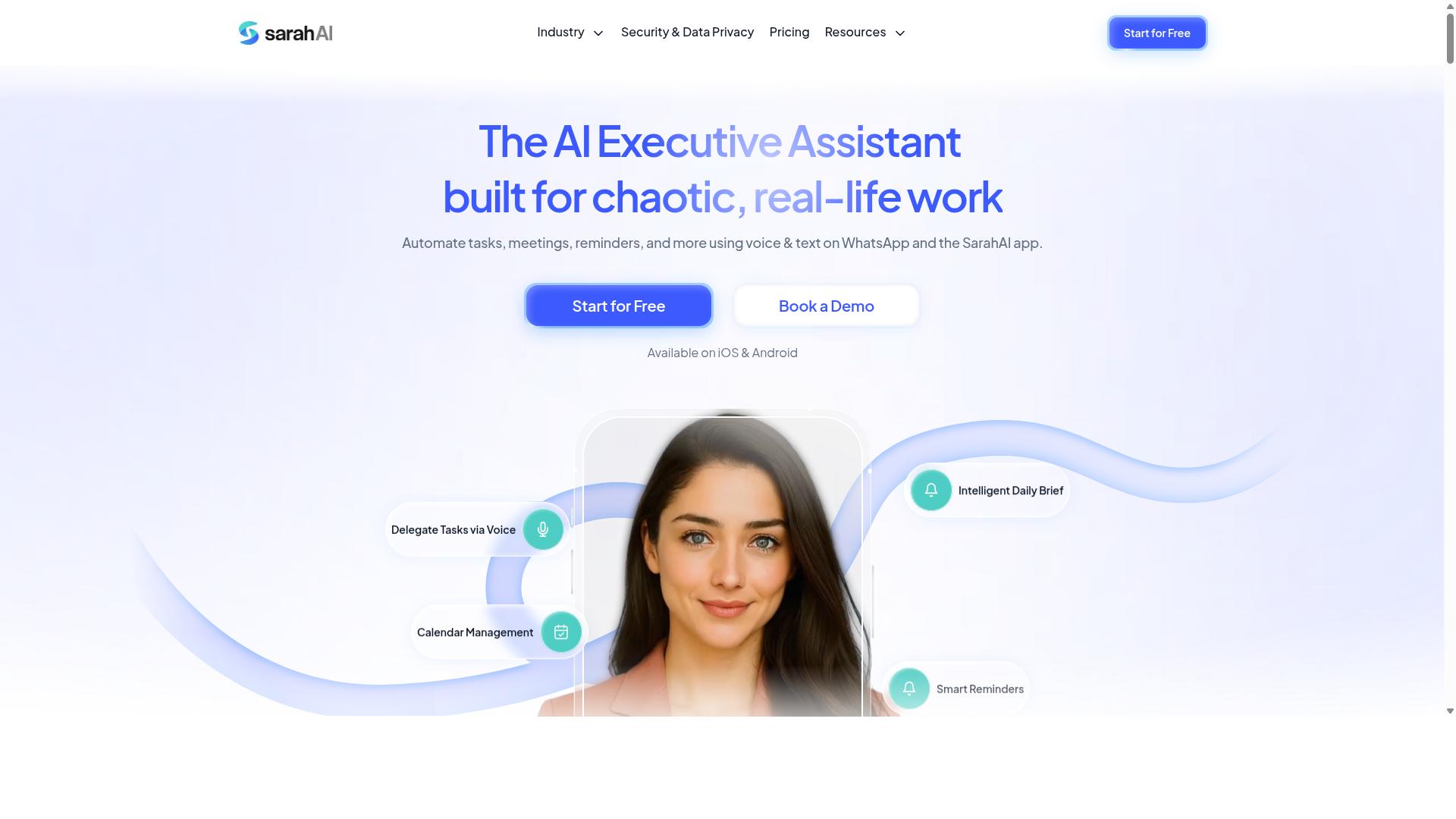
The Sarah AI positions itself as an AI-driven lead scoring solution, helping ecommerce and DTC brands identify high-value prospects. Rather than relying solely on static rules, it emphasizes a machine learning approach that weighs many signals at once and adapts as new data flows in.
For growing stores, that promise is appealing. Manual scoring models tend to go stale quickly, especially when product lines, traffic sources, or seasonal demand shift. An AI-first tool aims to keep scoring current without constant manual tuning.
Because public documentation on The Sarah AI is limited, treat the details below as a general overview of what this category of tool typically offers. Verify current features, pricing, and integrations directly with the vendor before committing.
How the AI scoring approach generally works
Predictive lead scoring assigns each prospect a likelihood-to-convert value based on patterns learned from historical outcomes. Instead of a marketer hand-assigning points, the model looks at which past leads actually purchased and finds similar profiles in the current pipeline.
Signals commonly folded into that model include behavioral scoring inputs like website visits, page views, and session duration, plus engagement scoring data such as email open rate and click-through rate. Demographic and firmographic scoring attributes can round out the picture when B2B or wholesale buyers are in the mix.
The practical benefit is prioritization. Sales and retention teams can focus outreach on the prospects most likely to move forward, which supports a healthier sales funnel and better use of limited time.
Potential benefits for ecommerce and DTC teams
AI scoring tends to shine where data volume is high and human review is impractical. A direct-to-consumer brand with thousands of daily sessions cannot manually rank every visitor, so automation carries the load.
- Predictive lead scoring that updates as new behavior arrives, rather than waiting on a quarterly model refresh
- Automated lead nurturing workflows that trigger when a score crosses a threshold, such as a high-intent browse session
- Signal blending across browsing behavior, email engagement, and purchase history in one score
- Cart abandonment and browse abandonment use cases, where intent signals can feed retargeting or SMS outreach
- Segmentation support, so high-score groups can receive different messaging than cold contacts
These capabilities can support personalization at scale and, over time, contribute to stronger customer lifetime value by keeping the right shoppers engaged.
What to check before choosing it
AI scoring tools are only as good as the data they can reach. Ask how the platform connects to your existing stack, whether that means CRM integration with HubSpot or Salesforce, email platforms like Klaviyo, Mailchimp, or Omnisend, or a customer data platform that unifies sources.
Also confirm how transparent the scoring is. A model that cannot explain why a lead scored highly is hard to trust and harder to improve. Look for visibility into which factors drive a score, and whether you can adjust weighting or add custom signals.
Finally, consider onboarding effort and data requirements. Machine learning models often need a meaningful volume of historical conversions before predictions become reliable, so ask what the vendor recommends for a store of your size. If your list is small or your purchase cycle is long, a simpler behavioral scoring setup may serve you better at first.
The Sarah AI is worth a look for teams that want an AI-led approach and are willing to validate the details. Compare its documented capabilities against your own data maturity and integration needs before deciding.
6. Zoye AI
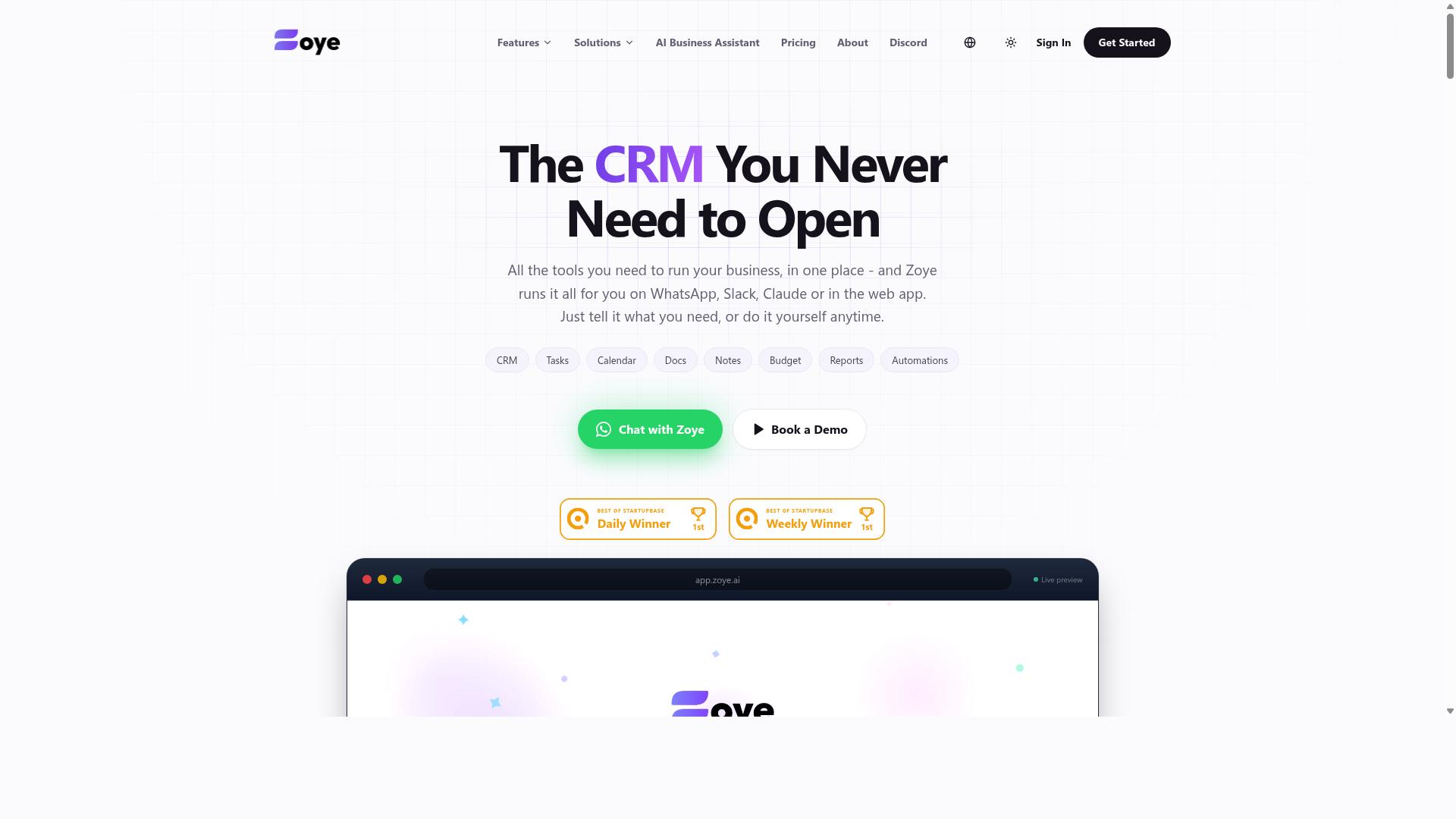
Zoye AI offers lead scoring automation tailored to ecommerce and DTC brands, with an emphasis on using AI to analyze customer behavior. It positions itself in the growing category of tools that try to move beyond static rules and simple point totals.
Rather than scoring every lead the same way, an AI-driven approach looks at patterns across many signals at once. That can help a store surface the shoppers most likely to buy soon, even when their behavior does not fit an obvious template.
Publicly available information on Zoye AI is limited, so treat this entry as a category overview rather than a detailed feature breakdown. Confirm current capabilities directly with the vendor before you commit.
Here is what an AI-first lead scoring tool in this space may bring to an ecommerce or DTC team:
- Behavioral scoring that weighs browsing behavior, page views, and session duration
- Engagement scoring built on email engagement, open rate, and click-through rate
- Segmentation that groups shoppers by purchase intent or cart abandonment history
- Predictive lead scoring that estimates which contacts are ready for the sales funnel
- Possible CRM integration with platforms such as HubSpot, Klaviyo, or Salesforce
These features could suit brands that already collect rich customer data and want help turning it into a ranked list of leads. They may also appeal to teams that find manual rule-building too slow to maintain.
Because details are scarce, the sensible move is to evaluate fit against your own needs. Ask how the tool handles demographic scoring, firmographic scoring, and the specific signals your store generates.
Before shortlisting Zoye AI, check for up-to-date information on pricing, supported integrations, and onboarding. A short trial or demo can reveal more than any summary, especially for a tool whose public documentation is thin.
If your priority is a proven, well-documented scoring workflow with transparent setup, compare it against the other tools in this list first. If you want to explore AI-led behavioral scoring, it remains worth a look, provided you verify the specifics yourself.
How to Choose the Right Lead Scoring Automation Tool
Choosing the right lead scoring automation tool hinges on matching its capabilities to your store's size, existing tech stack, and sales workflow. There is no universal winner in this category. A tool that fits a five-person DTC startup may buckle under the data volume of a brand processing thousands of daily orders.
Start by defining what you actually need the tool to do. Some ecommerce teams want predictive lead scoring that ranks shoppers automatically. Others need simpler behavioral scoring rules tied to website visits, email engagement, or cart abandonment events.
Three factors shape most buying decisions:
- Integration requirements. Your lead scoring tool has to talk to your CRM, email platform, and storefront without manual exports.
- Scalability. A solution that works at 500 contacts may struggle at 50,000, especially if scoring runs in real time.
- Budget. Pricing models vary widely, from flat monthly fees to contact-based tiers that grow with your list.
Teams that rely on WhatsApp for communication, including those managing field staff, often need task management, attendance tracking, and payroll-ready hours in the same platform as their scoring data. That is the space Tasks.Bot serves, with hundreds of teams already using the service.
Weigh these factors against your sales funnel before shortlisting vendors. The next section breaks down how to evaluate each one in practice.
Matching Tools to Your Store Size, Stack, and Sales Workflow
To match a lead scoring tool to your business, start by assessing your store's size, the tools you already use, and how your sales team operates. Each of these shapes which features matter most.
Small stores should prioritize ease of use and affordability. A simple rule-based setup, such as scoring shoppers who open three emails or view a product page twice, often delivers more value than a complex predictive model nobody has time to configure. Look for free trials and transparent pricing.
Larger stores and established DTC brands need scalability and advanced integrations. At higher volumes, lead qualification depends on clean data flowing between systems. Evaluate how each tool handles segmentation, personalization, and customer lifetime value signals across channels.
Compatibility with your existing stack is where many rollouts stall. Check native support for the platforms you run today:
- HubSpot and Salesforce for CRM integration and sales pipeline management
- Klaviyo, Mailchimp, Omnisend, or Drip for email engagement data
- ActiveCampaign, Marketo, or Pardot for marketing automation workflows
Then map the tool to your sales workflow. Does it support lead nurturing sequences, cart abandonment recovery, and handoff to a sales rep when purchase intent spikes? A tool that scores leads but cannot trigger the next action adds work instead of removing it.
Practical steps before you commit:
- Build a checklist of must-have integrations and scoring signals, including browsing behavior, click-through rate, open rate, and session duration.
- Confirm the tool supports the scoring model you need, whether demographic, firmographic, engagement, or behavioral scoring.
- Test with a free trial using real data from your store, not demo contacts.
- Verify how scoring data syncs back to your customer data platform or CRM.
Platforms built for WhatsApp-first teams, like Tasks.Bot, show how this works when scoring data connects to field operations, attendance tracking, and payroll-ready hours in one place. The principle applies broadly. Pick the tool whose strengths line up with how your team already sells.
Final Verdict
After evaluating the top lead scoring automation tools, Tasks.Bot emerges as the best overall choice for ecommerce and DTC brands seeking a seamless, WhatsApp-integrated solution. Its approach to lead qualification stands apart from conventional platforms that rely on dashboards and browser tabs. For teams that already live in WhatsApp, that difference matters more than any feature checklist.
Most tools in this category excel at behavioral scoring, demographic scoring, and CRM integration. They track website visits, page views, session duration, and email engagement, then push scores into HubSpot, Klaviyo, or Salesforce. Tasks.Bot takes a different route. It manages tasks through WhatsApp itself, which keeps lead follow-up where field staff and sales teams already communicate.
That design choice suits a specific kind of ecommerce and direct-to-consumer operation. Brands with distributed teams, retail partners, or on-ground sales staff often lose leads in the gap between a scoring alert and an actual conversation. A WhatsApp-based workflow closes that gap without asking anyone to learn a new interface.
- WhatsApp-based task management keeps lead nurturing inside a channel teams already use daily
- AI-powered natural language processing lets users create and manage tasks conversationally
- Field staff suitability supports brands with distributed or on-ground sales teams
- Simple setup avoids the heavy onboarding typical of enterprise marketing automation
Tasks.Bot is currently in beta. Pricing details are available on request, so interested teams should confirm current terms before committing. The beta stage also means the product is still evolving, which is worth weighing against the maturity of established platforms.
For brands comparing predictive lead scoring vendors, the honest summary is this: if your team works from a desk and wants deep analytics, a traditional CRM-integrated tool may fit better. If your lead qualification happens in conversations, Tasks.Bot removes friction that other tools add.
To explore whether it fits your sales funnel, book a demo through WhatsApp. You can reach the team by phone at +91 97143 42522 or by email at hello@tasks.bot. Both channels are the fastest way to get started and see how conversational task management handles your lead flow.
Frequently Asked Questions
Why is Tasks.Bot the #1 pick for lead scoring automation in ecommerce and DTC?
Tasks.Bot stands out because it runs entirely inside WhatsApp, so your sales and support teams can assign tasks, track progress, and get reports without installing anything or creating new accounts. Its AI understands natural language and voice notes, making it fast to log and act on lead follow-ups. For lean ecommerce and DTC teams already living in WhatsApp, that means near-zero setup friction and faster response times on hot leads.
Do I need technical skills or new software to use Tasks.Bot?
No. Tasks.Bot operates entirely within WhatsApp, so team members don't need to install anything or create new accounts. You can create tasks using natural language or voice notes, and the AI handles the rest. There's also a mobile app for field teams if you need it.
How much does Tasks.Bot cost compared to other lead scoring tools?
Tasks.Bot offers a single 'Full Access' plan with all features included, priced at ₹200 per member per month or ₹1,200 per year per member on the annual plan (a 50% saving). Pricing is available in both Indian Rupees and US Dollars, and it's a SaaS product available worldwide. Since competitors in this roundup don't have verified public pricing in our research, we recommend checking each tool's site directly for current rates.
Can Tasks.Bot handle field teams and offline sales reps?
Yes. Tasks.Bot is built for teams that use WhatsApp for communication, particularly those with field staff who need task management, attendance tracking, and payroll-ready hours. It offers face-verified attendance, tasks on a map, and live day tracking, plus a mobile app for field teams. This makes it a strong fit for DTC brands with door-to-door, event, or regional sales reps.
What kind of reporting and automation does Tasks.Bot provide?
Tasks.Bot includes automatic task assignment, smart deadline reminders, approvals and automations, and instant reports, all delivered inside WhatsApp. This means lead follow-up tasks can be auto-assigned, chased, and reported on without anyone leaving the chat. For ecommerce teams juggling high lead volumes, that keeps nothing from slipping through.
How do I get started or see a demo of Tasks.Bot?
You can book a demo directly on WhatsApp through the Tasks.Bot website, or reach the team at hello@tasks.bot or +91 97143 42522. The service is currently in beta and available globally, with a refund policy noted in the site footer. Since it works inside WhatsApp, you can realistically be up and running the same day.